Welcome to Portland Pain Solutions!
CALMARE THERAPY
Silence neuropathic pain
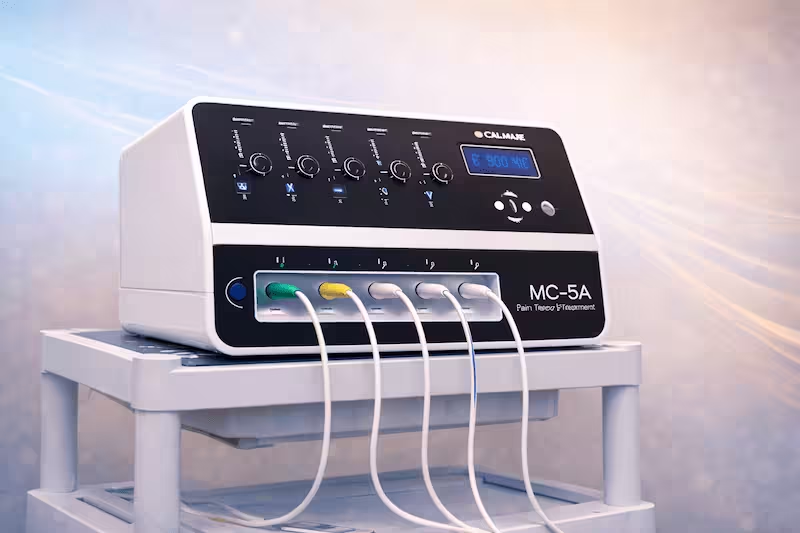
Calmare is a neuromodulatory technology that aims to retrain the nervous system. Neuropathic pain travels along well-known nerve fibers. Pain signals have been studied and have known firing patterns- however, these nerves fire during normal, non-pain states as well. Calmare attempts to stimulate these nerve fibers and replace the pain firing pattern with a randomized array of non-pain signals. This allows the spinal cord to habituate to a state of normalcy. The end result for the patient is greatly reduced neuropathic pain that is sustained beyond the treatment and durable.
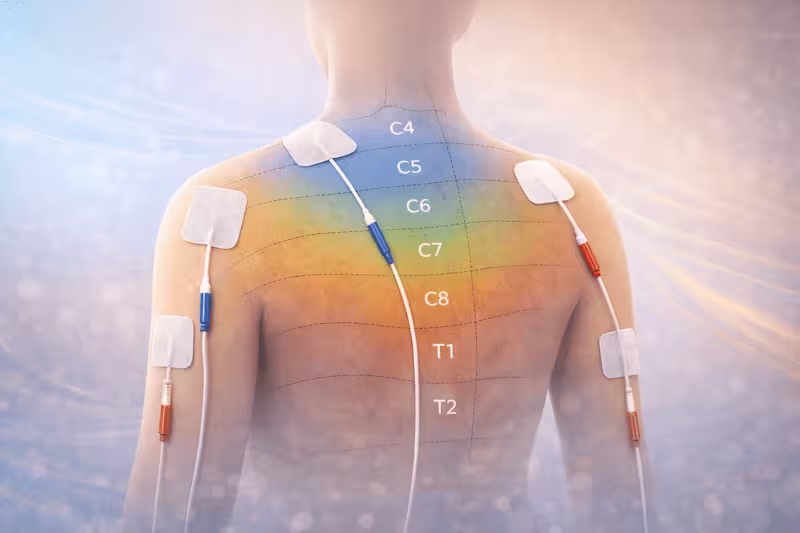
The painful zone is divided into dermatomes corresponding to the spinal nerve roots that supply the area. Electrode pads are placed above and below the zone of pain. Stimulation is then commenced in an effort to zero out the pain, or at least achieve a tingling sensation along the dermatome.
Frequently Asked Questions
Calmare Therapy / Scrambler Therapy are two different devices that use the same technology. It’s a non-invasive form of electrical neuromodulation delivered through skin electrode patches. It's best used for neuropathic pain (burning, shooting, tingling, electric-like pain).
TENS functions to "block" pain signals by stimulating light touch nerves that outcompete pain signals arriving at the spinal cord. It can also stimulate local release of natural painkilling signal molecules. Calmare/Scrambler functions not to block pain signals, but to replace the pain information with synthetic “non-pain” information. The spinal cord and brain can then habituate to a non-pain state.
Calmare is best used for neuropathic pain symptoms—burning, zapping, pins-and-needles, hypersensitivity/allodynia—rather than deep “mechanical” or purely nociceptive pain (like aching from joint movement or structural injury). Many people have mixed pain, so it's important to do a full evaluation to determine the likelihood that Calmare will help you.
Calmare/Scrambler has been used for a wide range of neuropathic pain syndromes, including: CRPS/RSD, postherpetic neuralgia, diabetic neuropathy, sciatica with neuropathic features, post-surgical neuropathic pain, CIPN, phantom limb pain, trigeminal neuralgia, migraine headaches and facial pain, and others.
CRPS can respond very ell to Calmare based on published reports and patient comments. I would encourage interested patients to join some of the Facebook groups for CRPS and Scrambler / Calmare to read about the experiences of others. Like any therapy for CRPS, sucdess varies from "miracle" to "it didn't help". Fortunately for non-responders, there are lots of other options to try.
CIPN is one of the more actively studied areas, including randomized/sham-controlled work and ongoing trials. Results across studies are mixed, but there is enough benefit that major cancer organizations and trials continue to evaluate it.
It's not expected to, but some patients report improvement —and in some cases pain relief can make numbness feel more “noticeable” because the pain is no longer masking it.
Electrodes are placed on healthy skin near (usually not on) the pain, then stimulation is adjusted to a strong but comfortable sensation. A typical session is about 30–45 minutes.
No. There is initially a prickling sensation, but as you move higher in output, that's replaced by a tingling or vibrating sensation. Stimulation should be strong but not painful. If it feels sharp, burning, or intolerable, that’s a signal to lower intensity and/or change electrode placement.
Sometimes yes, sometimes no. It’s not unusual for pain to fluctuate during the first week and then stabilize later in the series (or even continue improving for days to weeks afterward). We set expectations that early variability can be normal, but we also watch carefully for patterns of worsening.
A common protocol is daily sessions for about two consecutive weeks (often 10 sessions total). Some people need more, and some stop early if there are no positive signs after several sessions.
The first sign that progress is possible is significant drop in the usual pain with optimal lead position and device output. Following sessions you should have increasingly lengthy spans of time over which pain is better, or even gone. Long-standing problems will likely need more treatment sessions to knock down, but progress should be evident early on. We look for any objective positive trend (lower pain during treatment, improved tolerance of touch/movement or uncomfortable body positions, better sleep, improved function) rather than only “pain = zero.”
Duration varies widely. Many patients require booster sessions for relapse or flare-ups; others go long stretches without them. We plan for maintenance realistically: the goal is durable improvement that can be sustained through maintenance sessions. We welcome, but don’t expect permanence.
There’s no universal rule. There is some concern that ketamine and THC may affect responsiveness. Some clinicians believe certain “nerve-dampening” medications like gabapentin and other anticonvulsants may reduce responsiveness for some patients, while others treat without requiring a taper. Never stop or taper meds abruptly—if we decide a taper is worth trying, it should be coordinated with the prescribing clinician and done safely.
Yes, Calmare can be used safely and successfully in children.
Commonly listed exclusions/precautions include implanted pacemakers/defibrillators, some implanted electronic stimulators, pregnancy, and certain seizure disorders—plus clinical judgment for unstable cardiac conditions or unclear pain diagnoses. We screen carefully before starting.
Most reported adverse effects are mild skin irritation or temporary symptom fluctuation, but experiences vary—rarely, people report meaningful worsening. If the therapy is painful, we adjust until it isn't or we discontinue.
Coverage is inconsistent. We treat this as a self-pay service, however patients can present a superbill to their insurance and see if some reimbursement is possible.
Pricing varies widely by region and clinic structure, and may be packaged (e.g., a 10-session block) or billed per session. We provide transparent pricing up front so you can make an informed decision. Our fees approximate the national average of $300 per session for basic programming and a 45-60 minute run. Initial consultation and programming will be more, particulaly in complex pain, or with multiple limb invovlement. Expect your first session to involve 30-60 minutes of programming, with an additional 30 minutes of run time. This ensures adequate time for optimal lead placement, with at least 45-60 minutes of optimized run time.
Non-response happens, as with all therapies for complex neuropathic pain conditions. We set objective checkpoints and counsel patients away from futher treatment if success is unlikely. One of the advantages of doing this therapy with an experienced interventional pain specialist is the depth of expertise in multiple areas. Calmare is just one tool in the box here!
Contact us to schedule a consultation. Facebook has some excellent groups you can check out where patients and often clinicians actively discuss cases. A great one to get started with:
Scrambler Therapy Chat.
© 2021 Portland Pain Solutions | All rights reserved.
Most Insurances Accepted
Powered By: YES IT Labs L.L.C